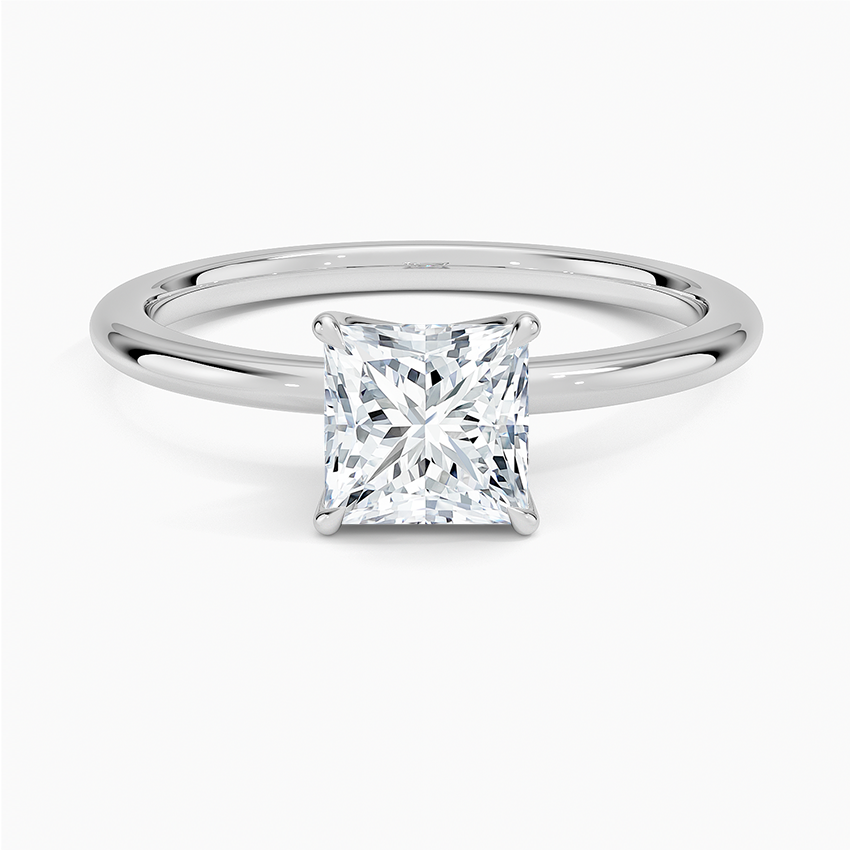
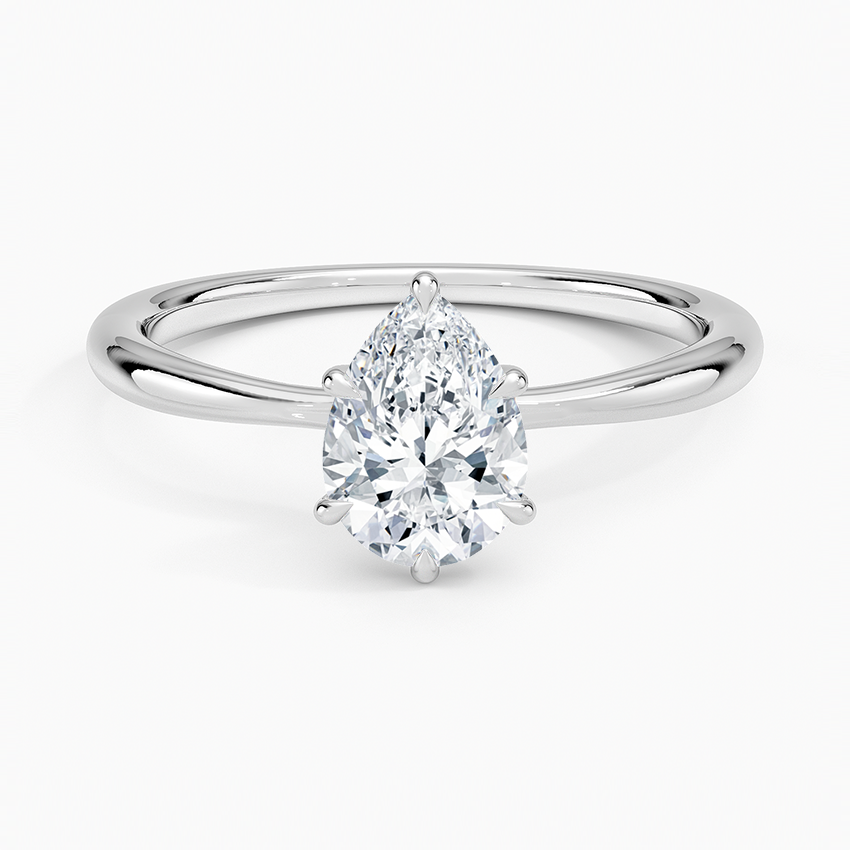
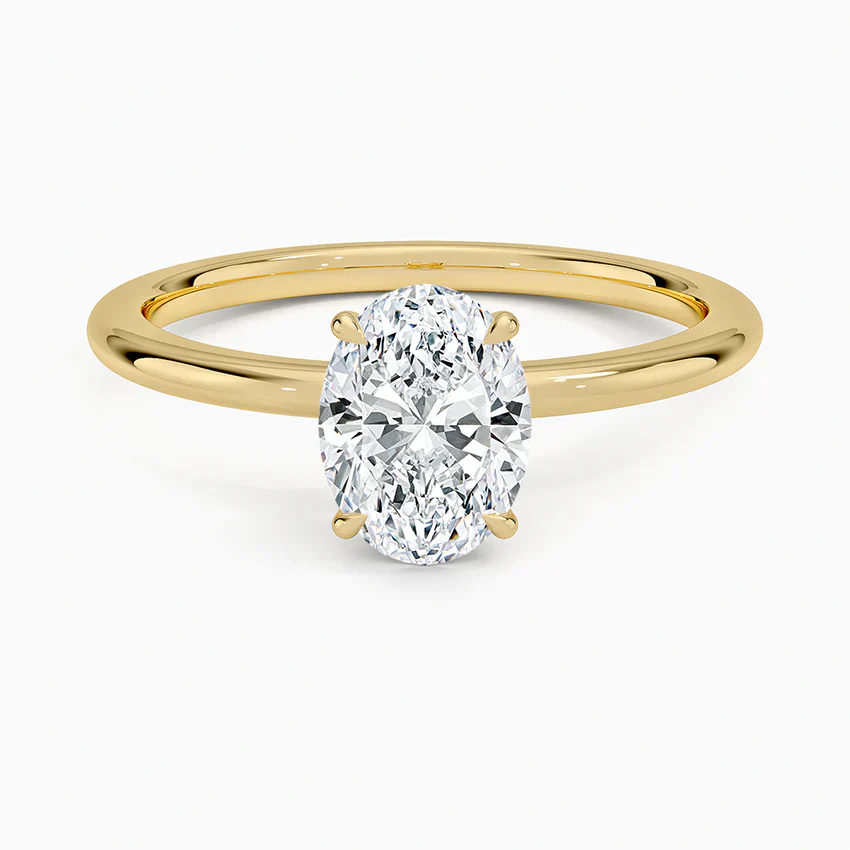
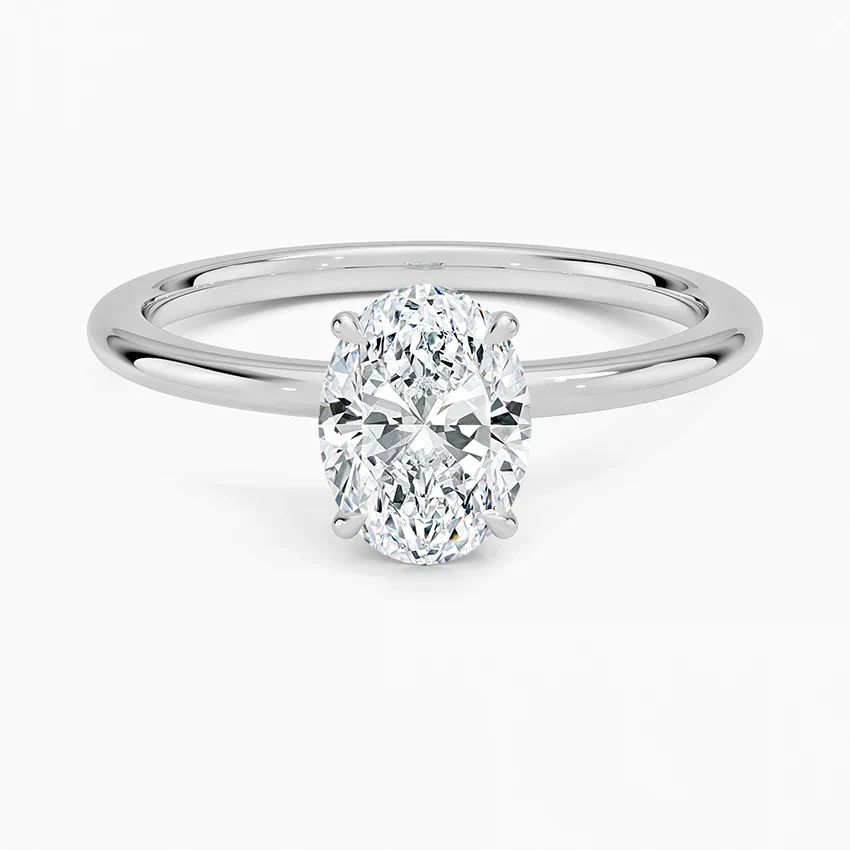
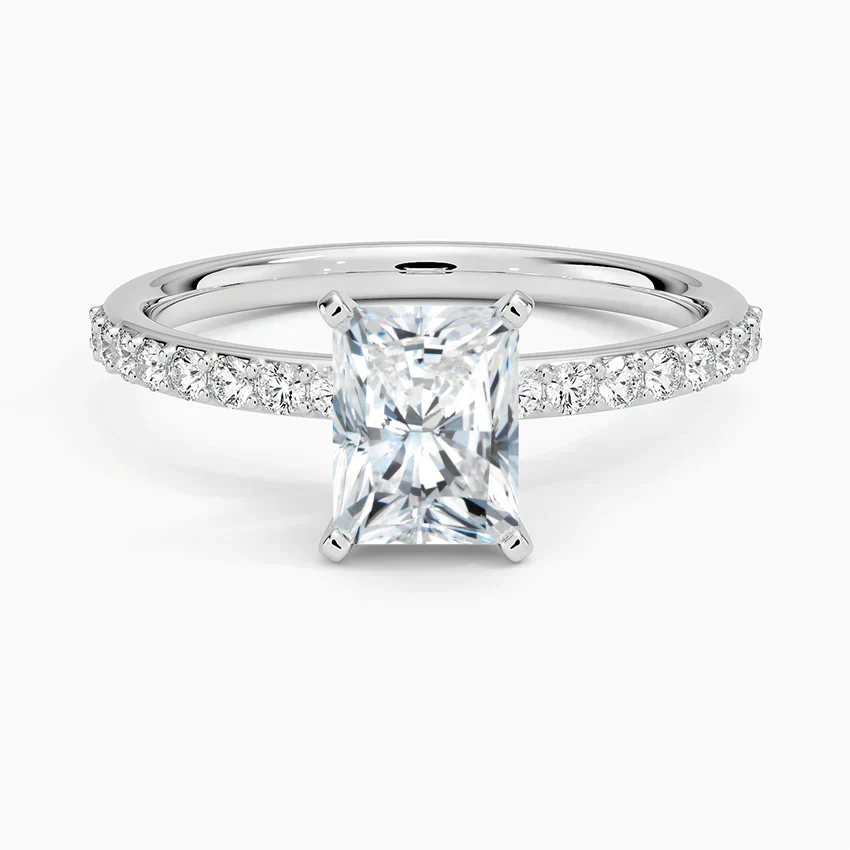
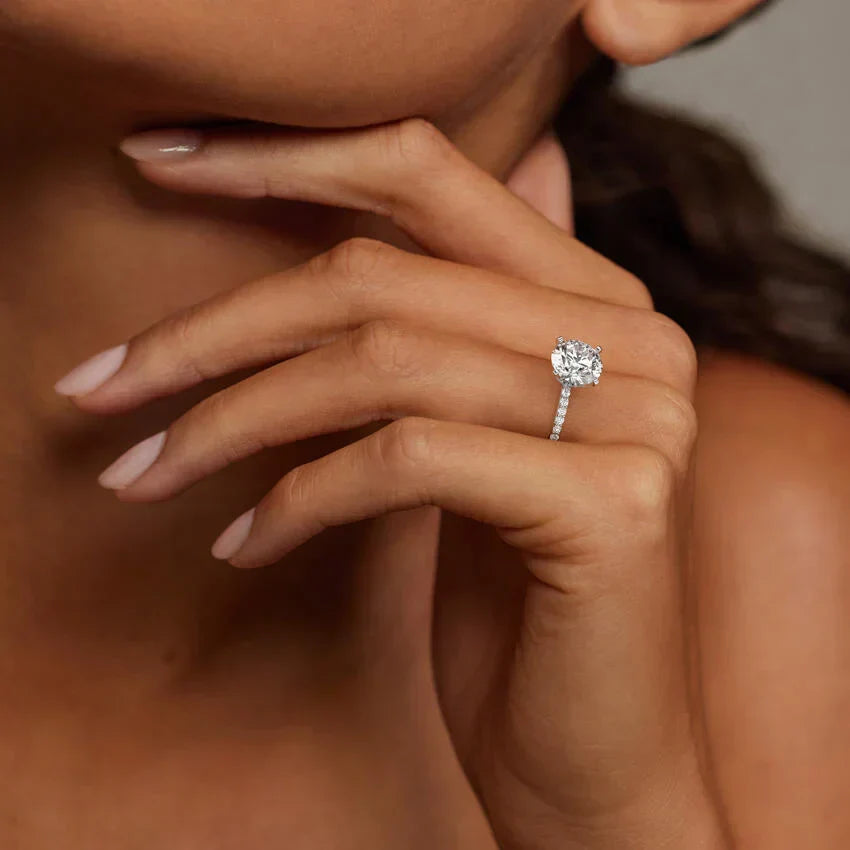
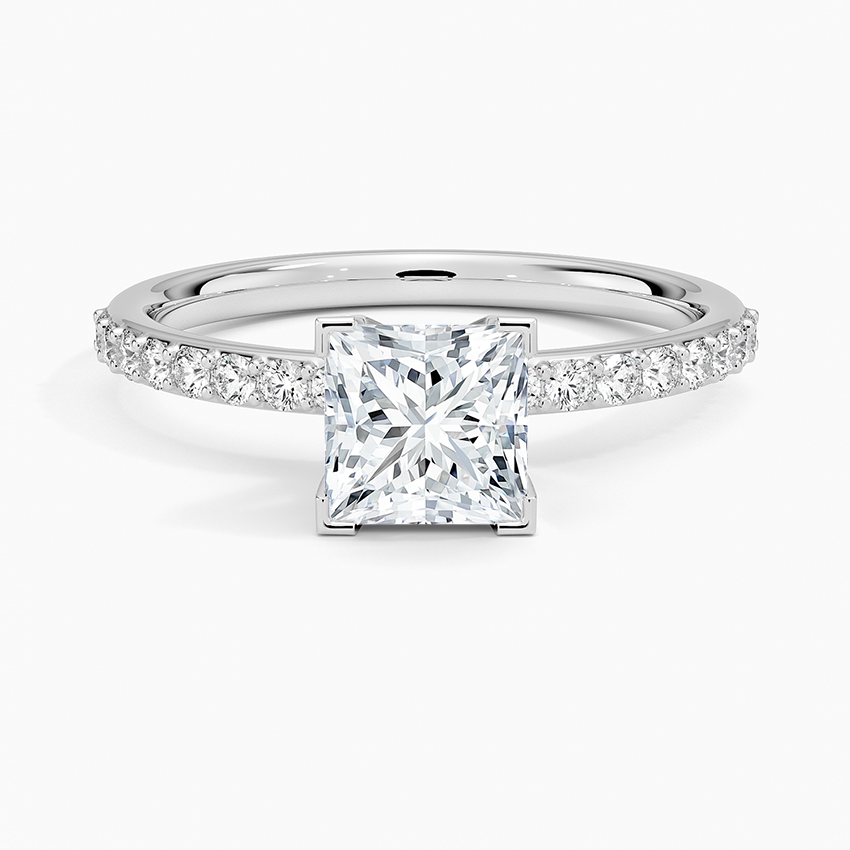
Understanding the Science Behind Diamond Light Performance
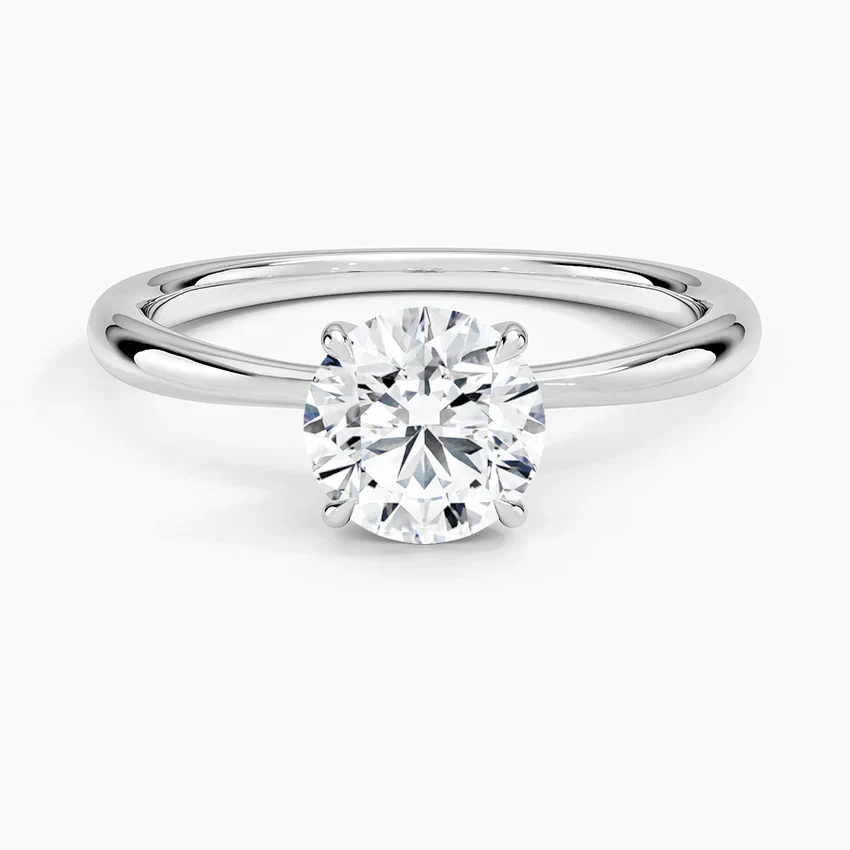
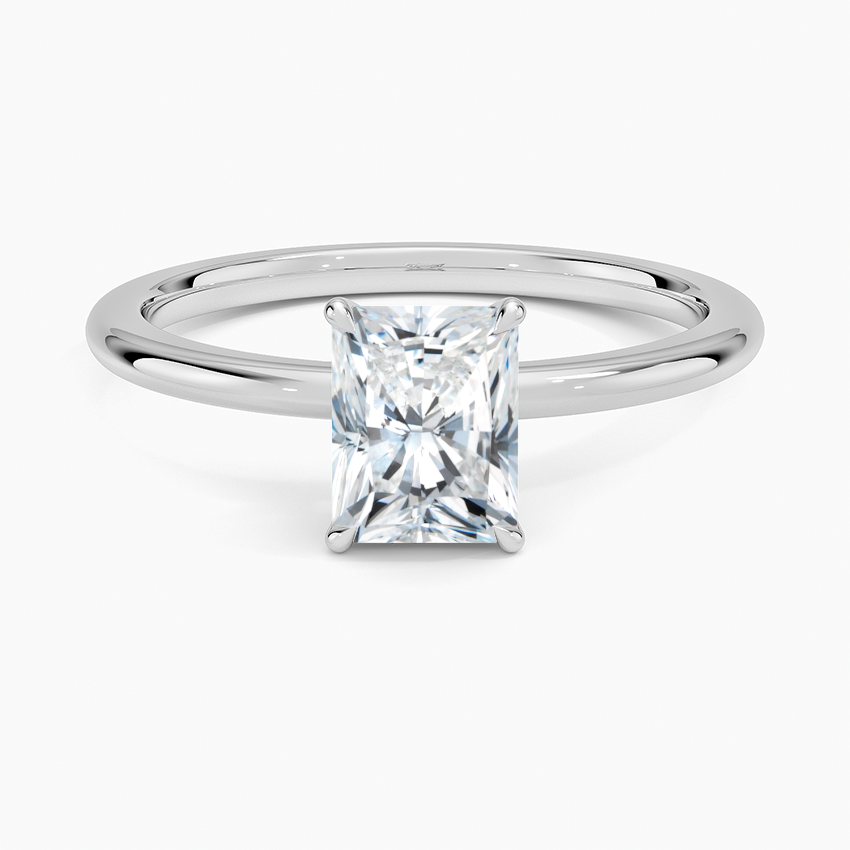
Diamonds are often perceived as bright, sparkling, round gems cut from rough diamond stones. While many recognize their beauty, few understand the science and intricate journey that makes diamonds truly radiant. While experienced sales associates are well-versed in the four Cs - carat, cut, clarity, and color there's much more to diamonds than their appearance. One such factor is light performance, which significantly impacts a diamond’s visual appeal and brilliance.
Breaking Down Diamond Light Performance
While it’s common knowledge that diamonds sparkle, light performance refers to how effectively they sparkle when interacting with light. In simple terms, it’s how well a diamond interacts with light, affecting its overall visual brilliance.
To achieve excellent light performance, the journey of light must be evaluated from its entry into the diamond, through refraction, internal reflection, and exit, to its final visual effects.
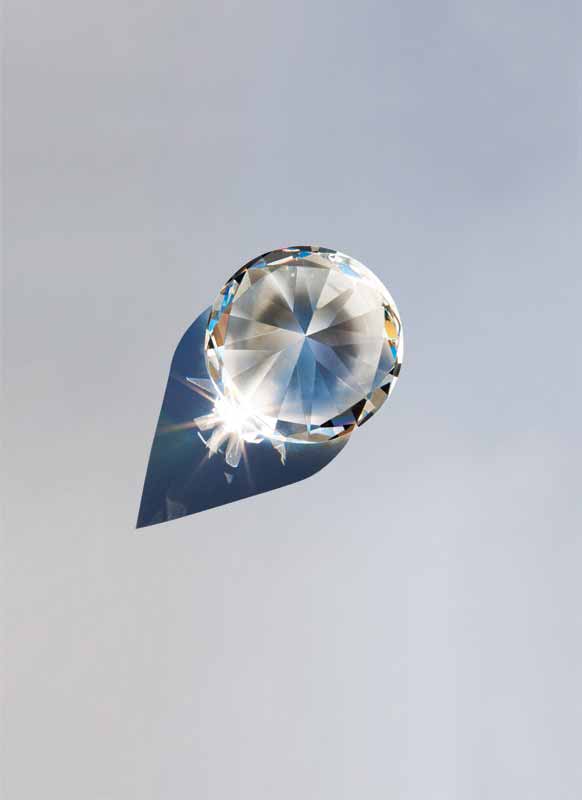
Refraction and Reflection: Key to Sparkle
-
Refraction refers to the bending of light as it enters the diamond. This occurs due to the diamond’s high refractive index (around 2.42), causing light to slow down and bend, creating the striking visual effects diamonds are known for.
-
Reflection is how light bounces off the facets of the diamond. The cut, angles, and proportions of a diamond significantly affect how much light is reflected back to the observer. Well-cut facets help maximize light return, enhancing the diamond’s brilliance.
Additionally, internal reflection plays a crucial role. Diamonds are designed to use total internal reflection when light strikes the facets at certain angles, it reflects inside the diamond instead of escaping, contributing to its brightness.
Evaluating Diamond Light Performance
Modern technologies, like the American Gem Society’s (AGS) Angular Spectrum Evaluation Tool (ASET) and the Sarine Light device, now allow professionals to assess how well a diamond interacts with light. These tools measure a combination of brightness, sparkle, fire, and light symmetry.
-
Brilliance refers to the amount of white light reflected back to the viewer. A higher brilliance score signifies better light performance.
-
Fire measures the colorful flashes that light disperses as it passes through the diamond.
-
Scintillation (or sparkle) measures the flashes of light, either flash scintillation (white sparkles) or fire scintillation (colorful sparkles).
-
Contrast is the interplay of bright and dark areas in the diamond, creating a hall-of-mirrors effect.
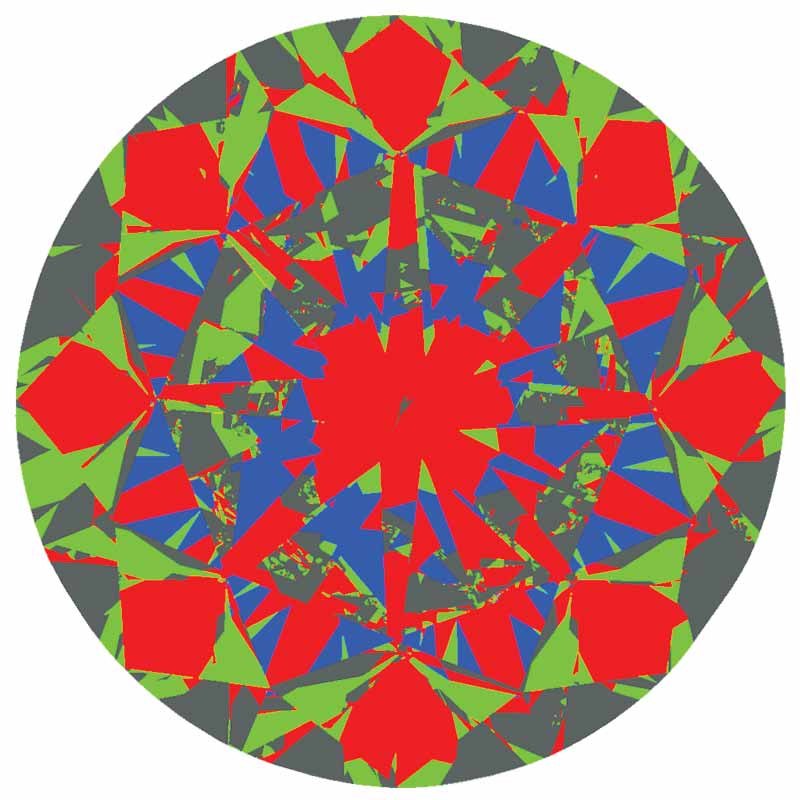
Diamonds with lower light performance often suffer from light leakage, where light escapes through the sides or bottom of the diamond instead of reflecting back to the observer. This can result in less sparkle and brilliance.
Factors Affecting Diamond Light Performance
The light performance of a diamond depends on two major factors: the type of rough diamond it is cut from and the method of cutting the rough diamond into its polished form.
-
Type of Rough Diamond
Diamonds form in various shapes, including octahedrons, dodecahedrons, cubes, and triangles. The internal structure of the rough diamond, specifically its crystal lattice, is key to how well the diamond handles and refracts light. Transparent diamonds with minimal inclusions, typically found in octahedral rough diamonds, exhibit better light performance due to their internal clarity and structure.
-
Cut Method
The cut of a diamond, perhaps the most significant factor, greatly influences its light performance. How a diamond is cut and the arrangement of its facets determine how well light is reflected and refracted. Ratan Sajan Diamonds understands that a well-executed cut maximizes light return and minimizes light leakage, enhancing overall brilliance.
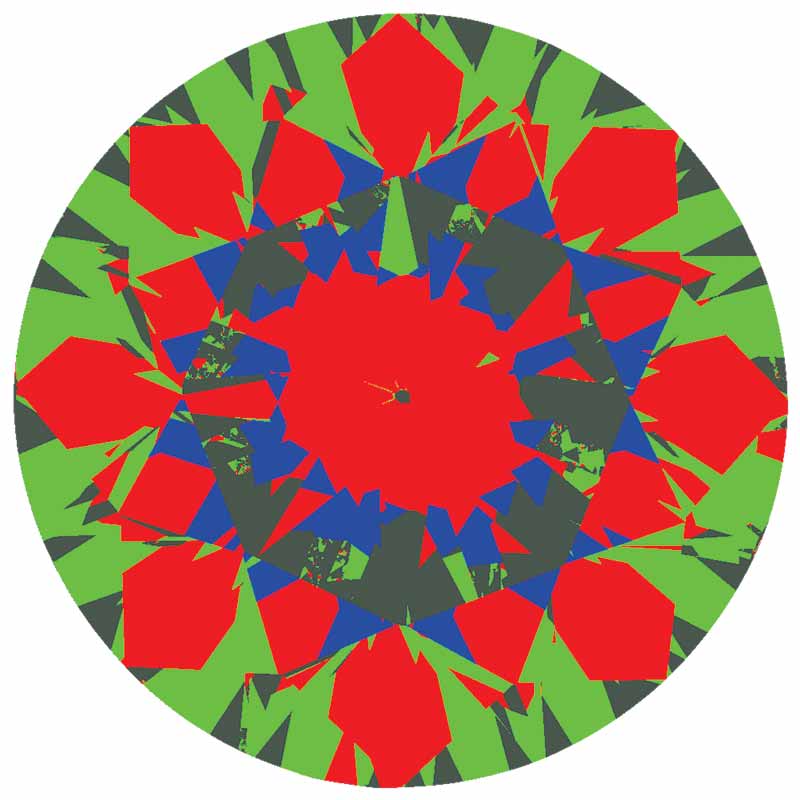
The quality of the cut has been scientifically studied by organizations like GIA, with over 70,000 diamond observations contributing to their cut grading system. Sarine’s cutting-edge technology, which measures brilliance, sparkle, fire, and symmetry, is also critical in determining a diamond’s light performance.
Why Understanding Light Performance Matters for the Jewellery Business
As a jewelry professional, explaining light performance with knowledge and precision will set you apart as an expert. When customers see the clear difference between diamonds with higher and lower light performance scores (with similar four Cs), it builds trust and confidence in their purchase.
By discussing the higher-quality rough diamond a diamond originated from, the precision of the cut, and how expert cutters minimize light leakage, you’ll demonstrate why one diamond sparkles more than another. This transparency will help build customer confidence and may even result in higher margins for your jewelry business.
The Role of the Right Cut in Diamond Performance
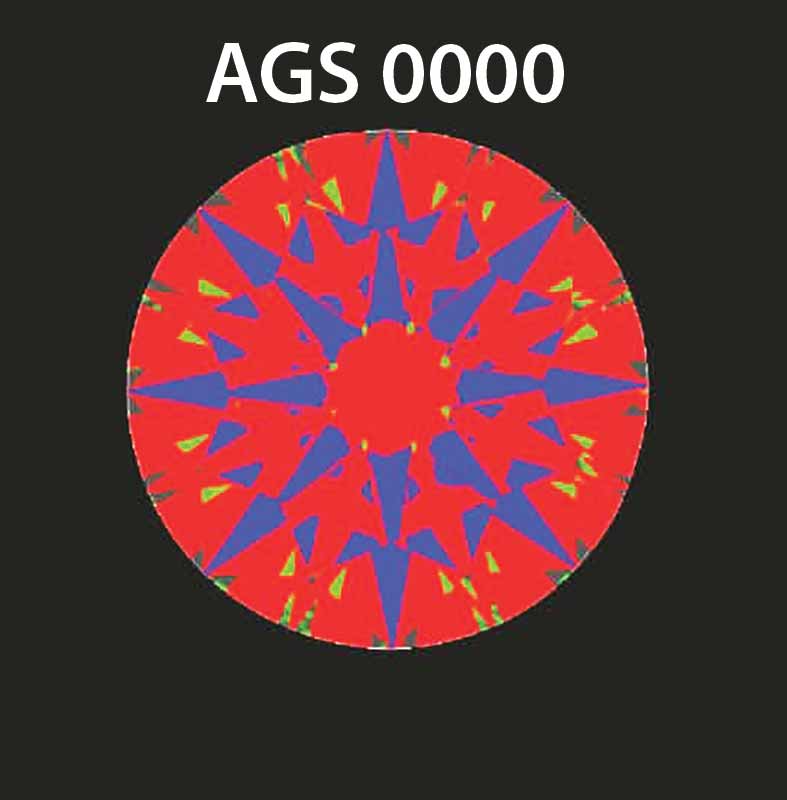
A diamond’s cut quality influences its light performance and overall visual appeal. A well-cut diamond with excellent proportions will have minimal light leakage and superior brilliance. Ratan Sajan Diamonds ensures that each diamond is crafted to maximize its inherent beauty by utilizing precise cutting techniques.
For instance, a diamond with optimal proportions, symmetry, and polish reflects more light from the top and returns it to the viewer, making it exceptionally brilliant. The cutting process has a profound impact on fire, brilliance, and scintillation, providing customers with a diamond that exhibits dazzling beauty in every angle.
Conclusion
The journey of a diamond from rough to radiant involves far more than just the four Cs. Understanding the intricate details of light performance can enhance the jewelry business by positioning you as an expert and earning customer trust. By choosing Ratan Sajan Diamonds, you are not only choosing high-quality diamonds but also ensuring exceptional craftsmanship and precise light performance.
Start your journey with Ratan Sajan Diamonds today and experience the brilliance and beauty of diamonds that truly shine with precision and excellence.