Diamonds and Fake Diamonds: What You Need to Know
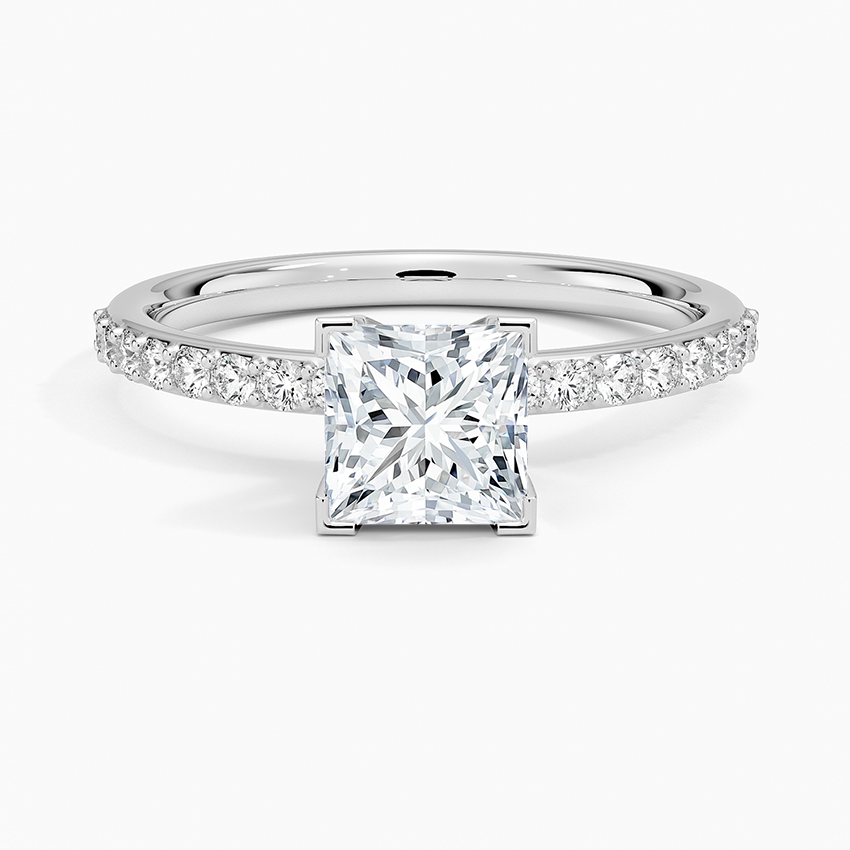
When shopping for diamonds, it's essential to recognize the difference between a real diamond and its imitations. Numerous gemstones can resemble a diamond, but they differ significantly in their physical, chemical, and optical properties. Some of the most common diamond simulants include cubic zirconia, white zircon, white topaz, moissanite, white spinel, quartz (rock crystal), and glass.
This guide will help you identify whether you're looking at a genuine diamond or a fake. Whether you're shopping for engagement rings or diamond jewelry, knowing how to spot a fake diamond is essential for making an informed purchase.
Interested in learning more? This article is also part of our Lab Grown Diamonds Fundamentals Mini Course, explaining the difference between synthetic (lab-created), simulated, and natural diamonds.
How to Spot a Fake Diamond While Shopping
When buying diamonds, you may not have access to professional testing tools. Therefore, it’s crucial to shop with trusted and reliable diamond dealers like Ratan Sajan Diamonds. If you're unsure about the authenticity of the diamond, always ask for a grade report from a certified gemological lab. Reputable dealers with a solid return policy will be more than happy to provide this.
For online shopping, consider trusted platforms like James Allen and Blue Nile. They offer high-quality diamonds with 360° videos and include certificates for the diamonds they sell.
Here are some essential tests you can use to identify whether you're buying a genuine diamond or a fake one:
Test #1: Thermal Test (The Best Way to Spot a Fake Diamond)
What You'll Need
A diamond tester (approx. $15 online).
How to Check for Thermal Conductivity
Diamond testers measure how quickly a gemstone conducts heat. Follow the instructions on your tester, ensuring the gem is clean for accurate results.
What the Results Mean
A diamond tester will only show a positive result for real diamonds and moissanite. Lab-grown diamonds have the same properties as natural diamonds, so they will pass this test as well. Synthetic moissanite, though not common before the 1990s, will show up as a diamond.
Test #2: Facet Doubling
What You'll Need
A jeweler's loupe or magnifying glass.
How to Check for Facet Doubling
Look at the gem through the loupe. Examine the back facets through the table (top) of the stone. If you notice doubled or fuzzy facets, the gemstone may not be a diamond.
What the Results Mean
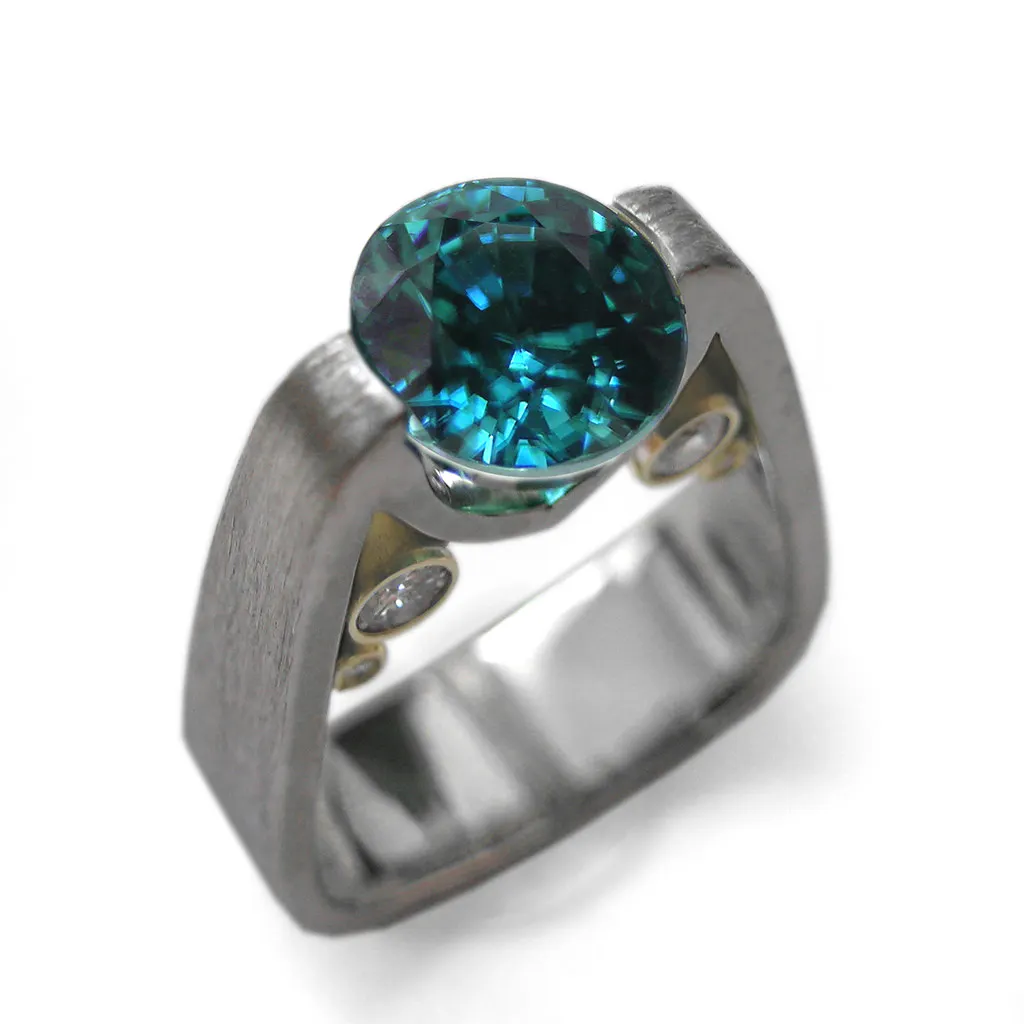
Diamonds are singly refractive, meaning you should see crisp, clear facets. Moissanite and some other diamond simulants like white zircon or white topaz often show facet doubling.
Test #3: UV Fluorescence
What You'll Need
A blacklight.
How to Check for Fluorescence
Shine the blacklight on your gem in a dark room to see if it fluoresces. Real diamonds typically glow blue.
What the Results Mean
If the stone glows blue, it’s likely a diamond. If it fluoresces a different color, it could be a simulated diamond. Some diamonds do not fluoresce under UV light, but many will glow blue.
Test #4: The Newspaper/Dot Test
What You'll Need
A newspaper or a piece of paper with a small dot drawn on it.
How to Perform the Test
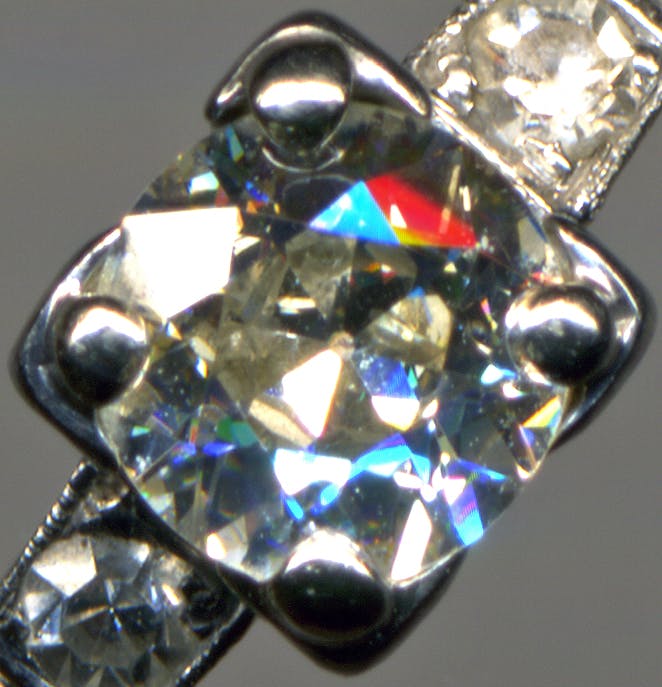
Place the loose diamond face down on the newspaper and check if the text or dot is visible. Real diamonds bend light so intensely that text will become unreadable.
What the Results Mean
If you can still see the text clearly, it’s likely not a diamond. Genuine diamonds will distort the text so severely that it becomes unreadable.
Test #5: The Fog Test
What You'll Need
Just your breath!
How to Perform the Test
Breathe on the gem and quickly observe how long it stays fogged up. Diamonds and moissanite should not fog up for long.
What the Results Mean
If the gem stays fogged for several seconds, it's likely glass or another imitation. Diamonds and moissanite will fog briefly and clear up almost immediately.
Test #6: The Water Test
What You'll Need
A glass of water and a loose gem.
How to Perform the Test
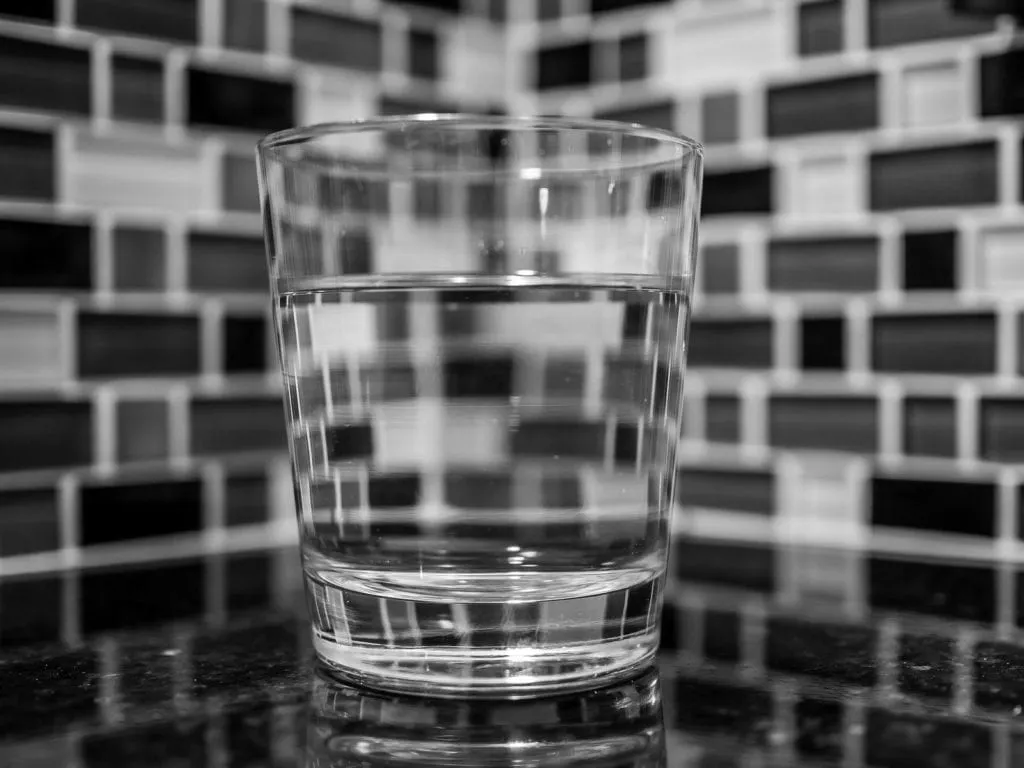
Drop the stone into the water. Genuine diamonds are dense and will sink quickly.
What the Results Mean
If the gem sinks immediately, it could be a diamond. However, some fakes like cubic zirconia will also sink quickly, so this test isn't foolproof.
Test #7: The Sparkle Test
What You'll Need
Your eyes and good lighting.
How to Check for Sparkle
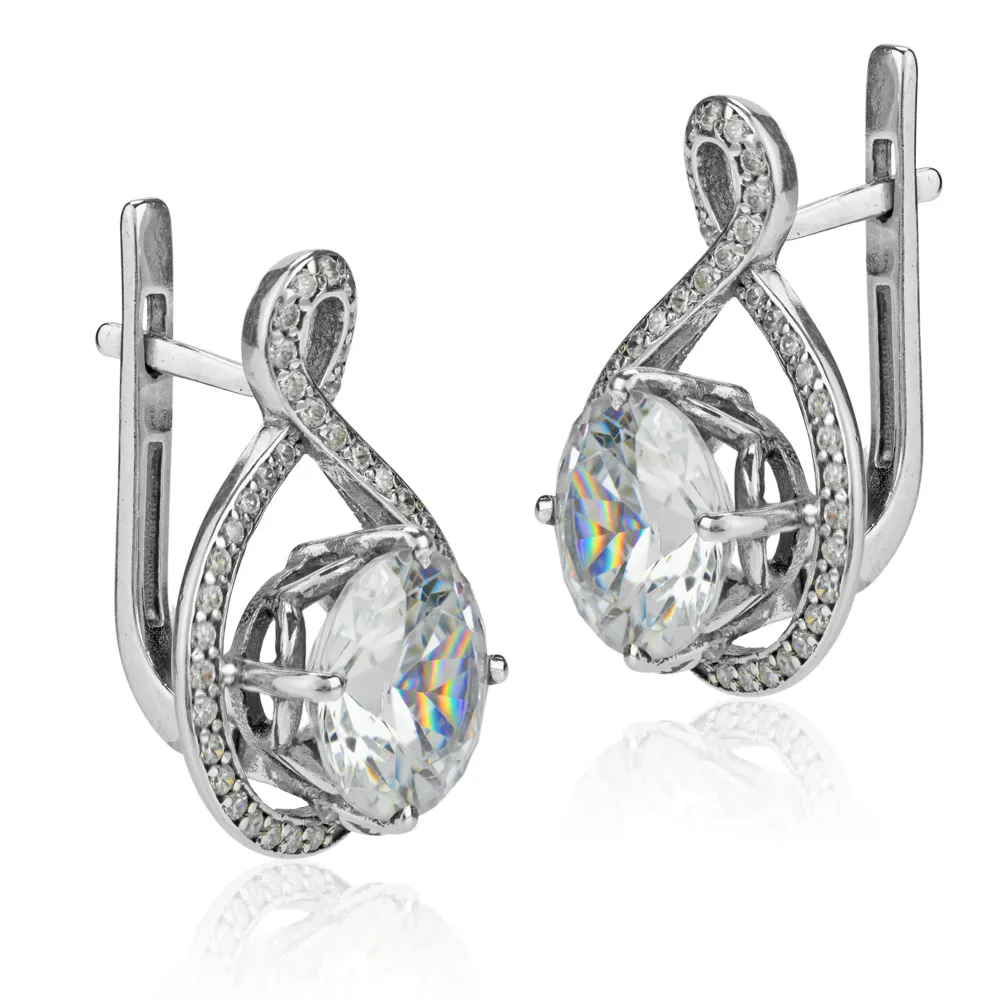
Examine how the gem sparkles under bright light. Real diamonds display a balance of brilliance (white light) and dispersion (colored flashes).
What the Results Mean
Diamonds will have a sharp contrast of light and dark areas. Fake diamonds like cubic zirconia may have a more muted sparkle.
Test #8: Facet Edges
What You'll Need
A jeweler's loupe.
How to Examine Facet Edges
Look closely at the edges where the facets meet. If they appear rounded or chipped, it’s not a diamond.
What the Results Mean
Diamonds have sharp, crisp facet edges. Rounded edges often indicate a softer material like cubic zirconia or glass.
Test #9: Weighing and Measuring
What You'll Need
A high-accuracy scale and calipers.
How to Test for Density
Weigh the gem and measure its width. Compare the results with standard gemstone weight charts.
What the Results Mean
A diamond’s weight should match its size. If the weight is significantly off, it could be an imitation.
Test #10: Jewelry Metal Markings
What You'll Need
A loupe or magnifying glass.
Where to Look for Markings
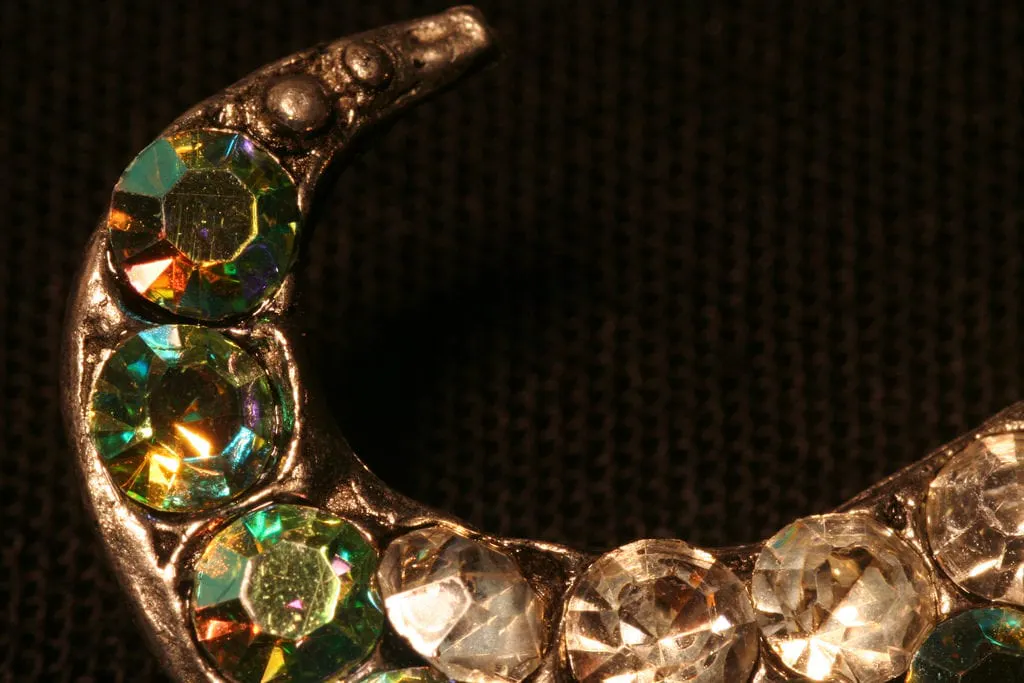
Check the inside of the band or setting for metal markings.
What the Results Mean
If the gem is set in gold or platinum, it could be a diamond. Silver settings often house fakes, but some moissanite and white sapphires are also set in precious metals.
Test #11: Clarity Imperfections
What You'll Need
A jeweler's loupe.
How to Check Clarity
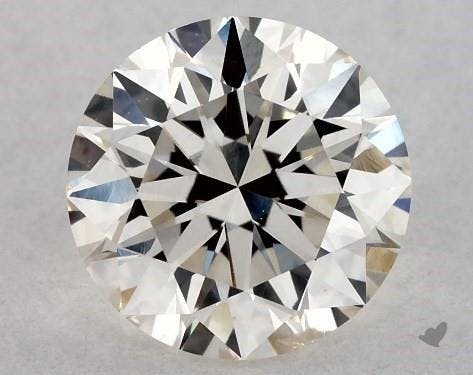
Look for internal flaws or inclusions, which should appear as dark spots or crystals.
What the Results Mean
Bubbles or other imperfections often mean you're dealing with a fake diamond like cubic zirconia.
Test #12: Scratch Test
What You'll Need
A hardness test kit (or a known hard material).
How to Perform the Test
Try to scratch the gem with a material of known hardness. Diamonds will not scratch easily.
What the Results Mean
If the gem scratches softer materials, it could be a diamond or another hard stone like moissanite.
Test #13: Shatter Test
What You'll Need
A lighter and water.
How to Perform the Test
Heat the stone, then drop it in water. If it shatters, it’s definitely not a diamond.
What the Results Mean
If the gem survives the test, it might be a diamond, moissanite, or other stones that can withstand heat.
Conclusion: How to Spot a Fake Diamond
While no single test can absolutely prove whether a gem is a diamond, these tests offer valuable clues. To be sure, the best course of action is to have your gem evaluated by a professional jeweler or certified gemological lab. Always buy diamonds from trusted dealers like Ratan Sajan Diamonds to ensure authenticity and peace of mind.
Let Ratan Sajan Diamonds guide you in finding the perfect, genuine diamond for any occasion, with full certification and transparency in every piece.