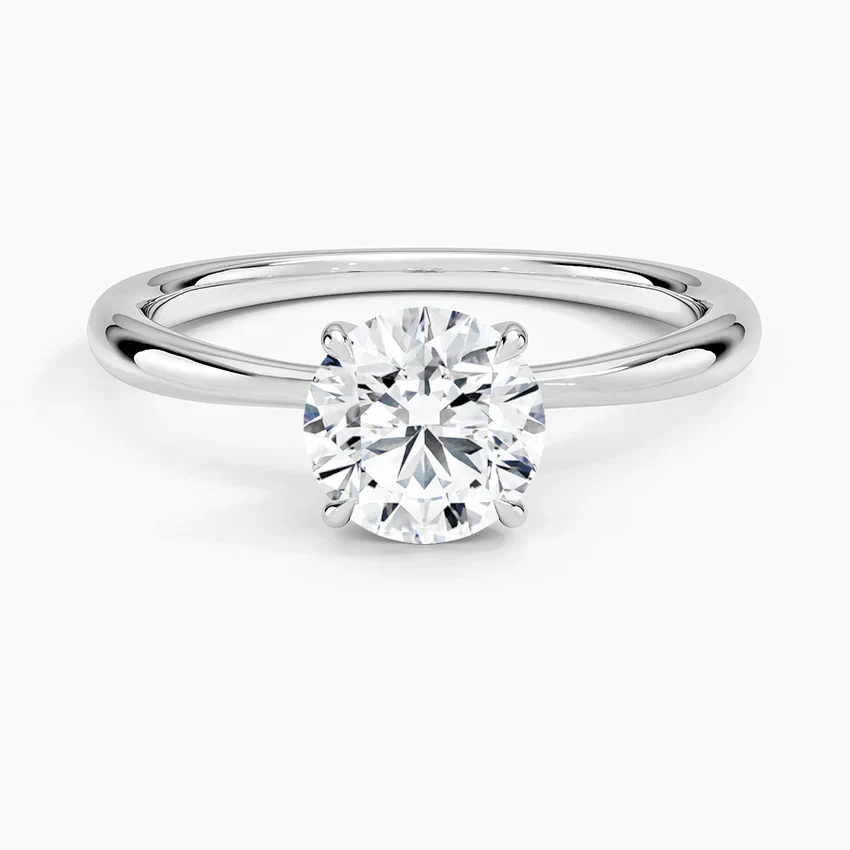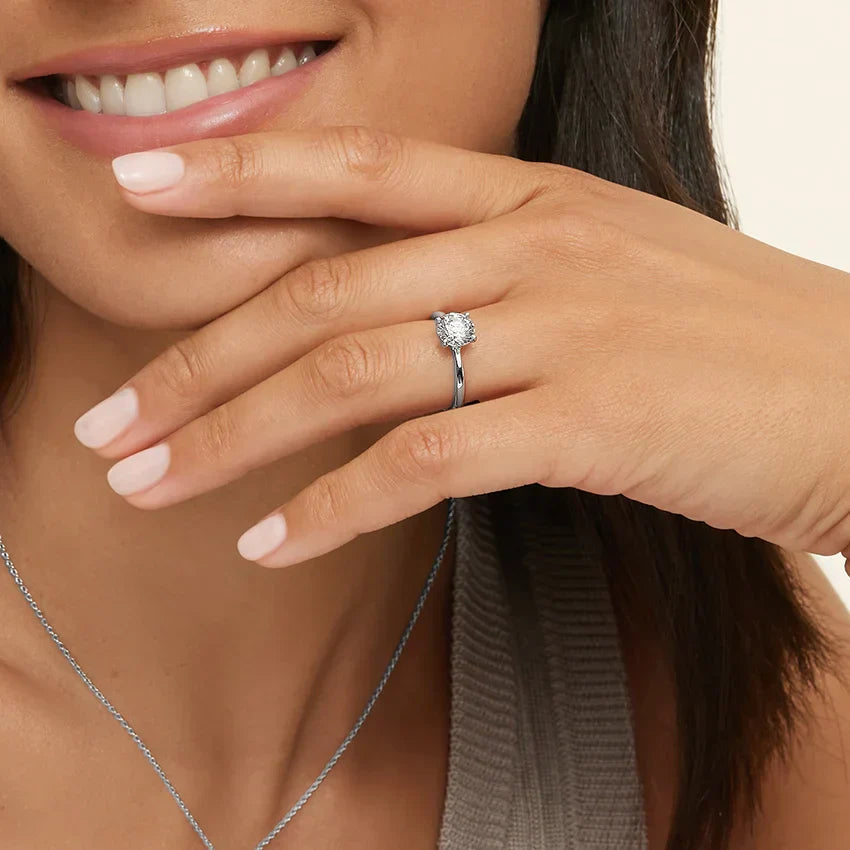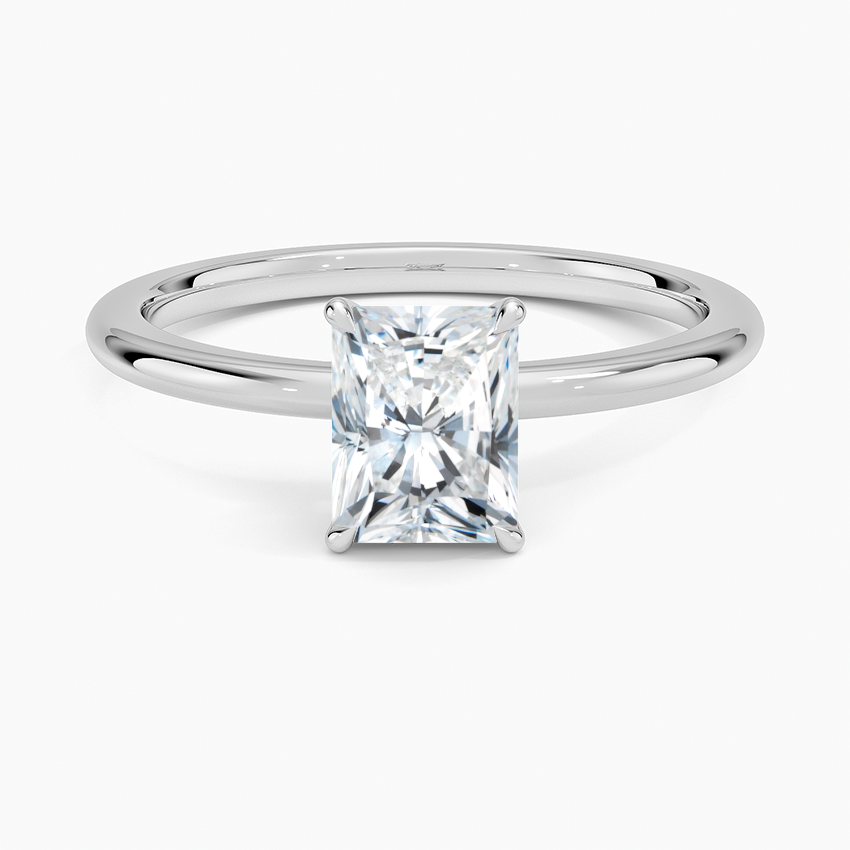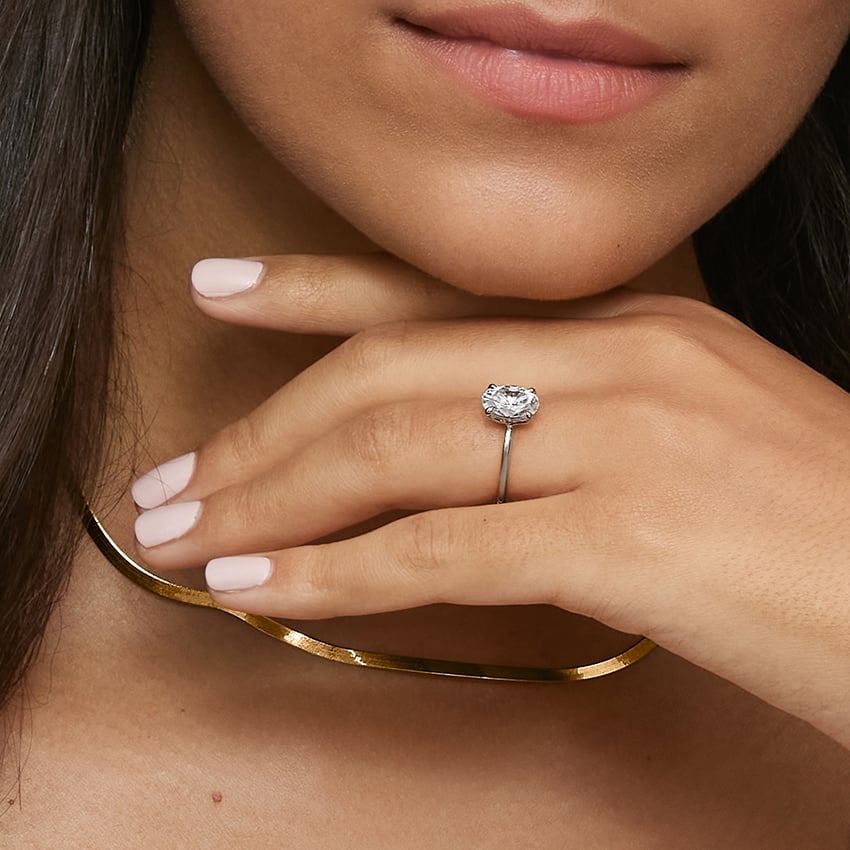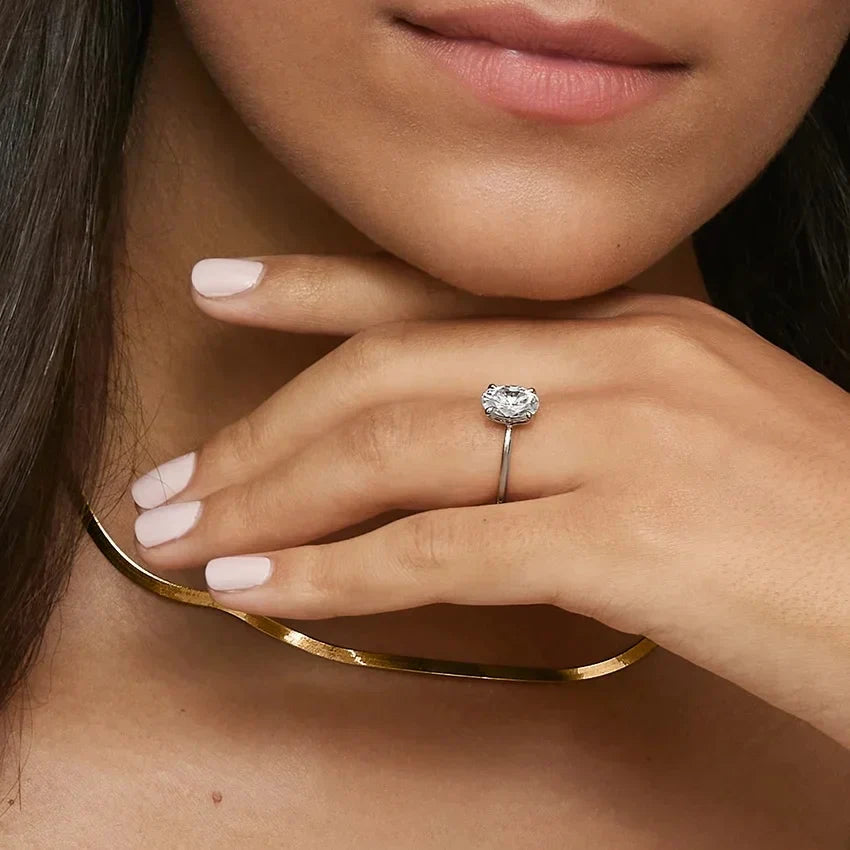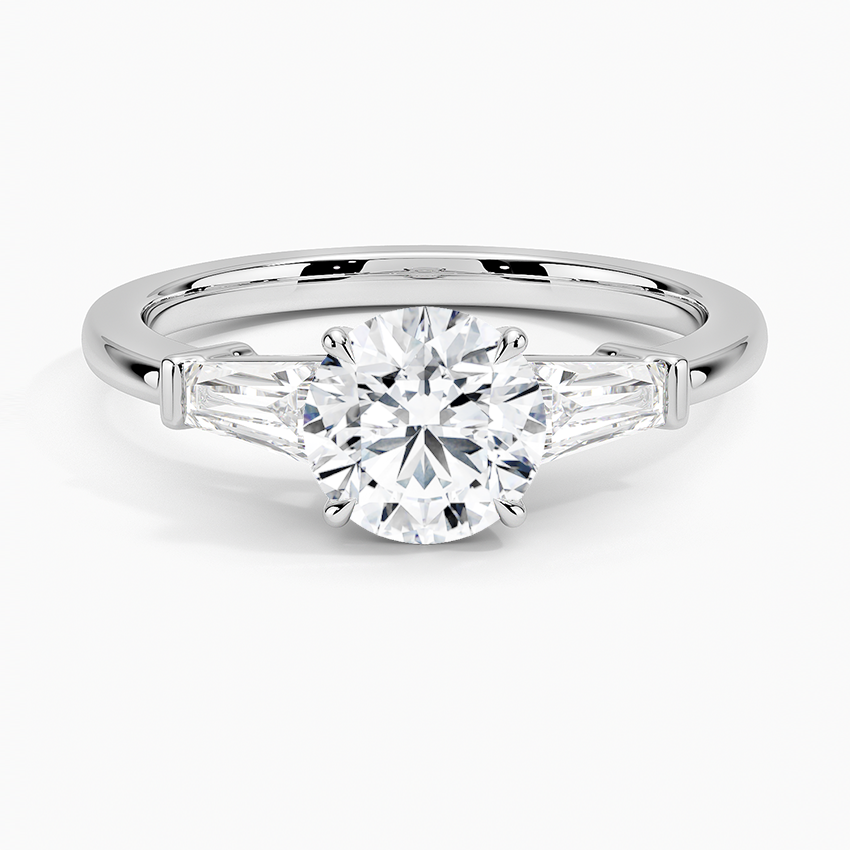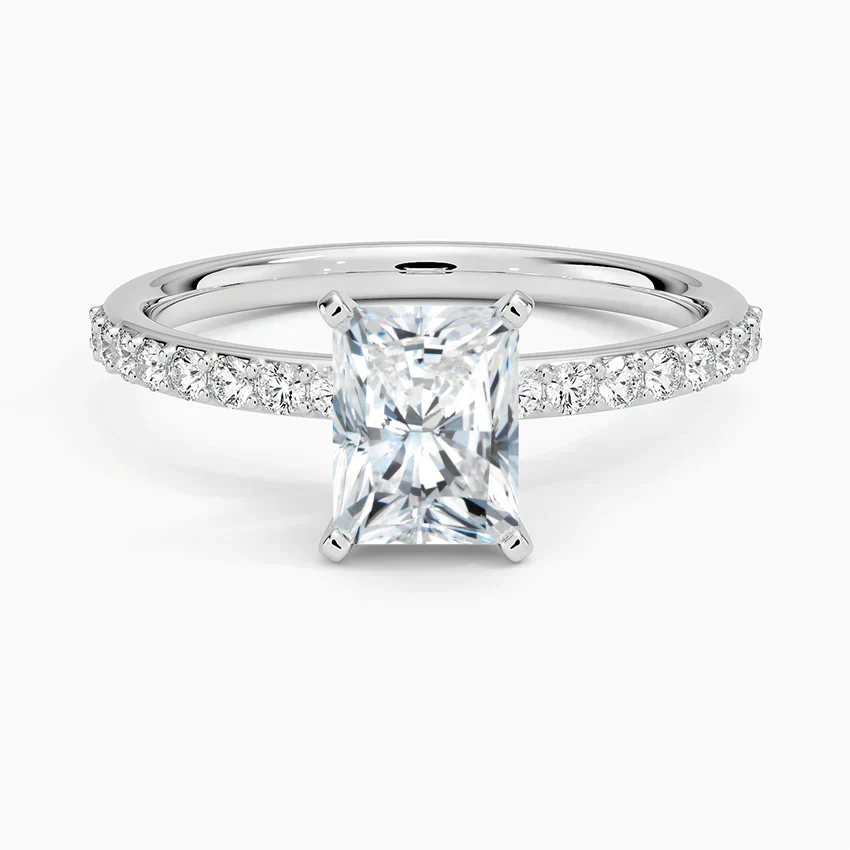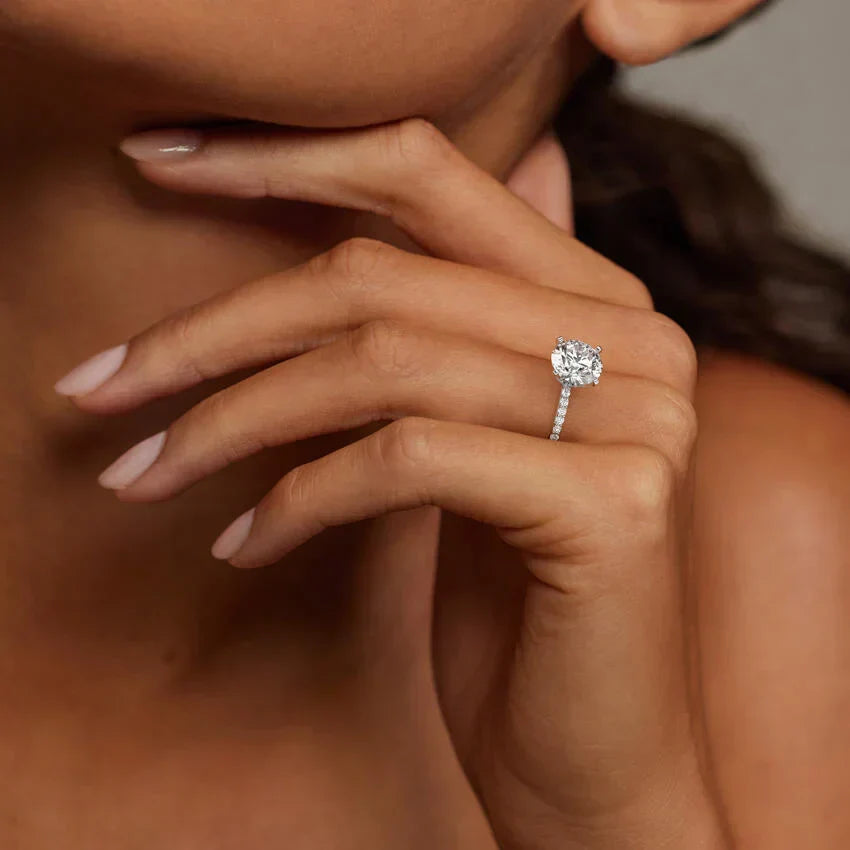
What Is a Lab Grown Diamond?
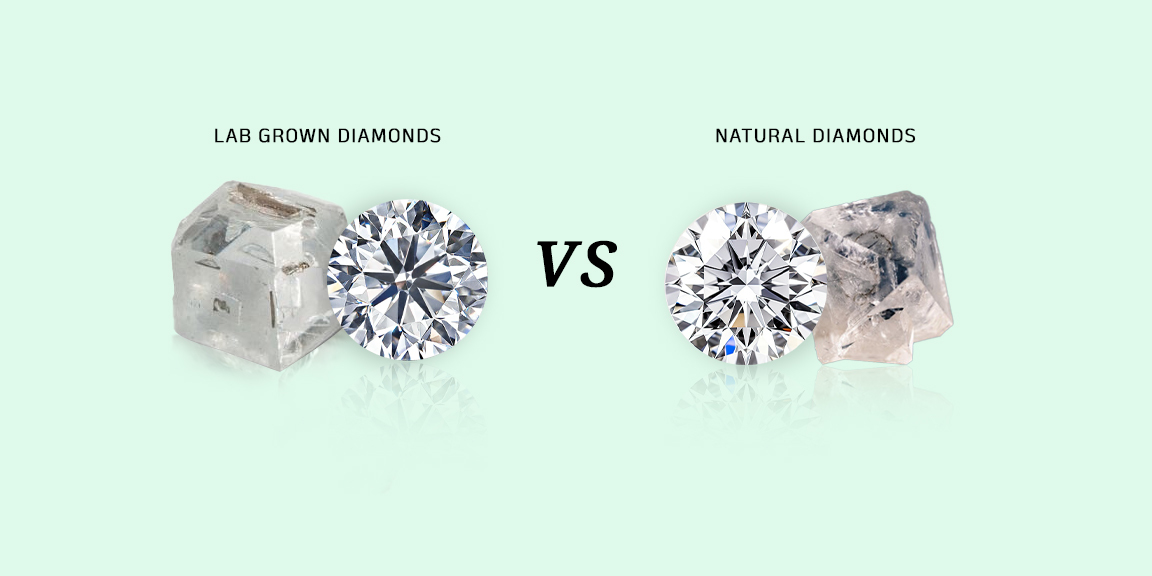
Lab grown diamonds are real diamonds created in a controlled laboratory environment. Chemically, physically, and optically identical to natural diamonds, lab diamonds boast the same brilliance, fire, and hardness. Unlike natural diamonds, which form deep within the Earth's mantle over billions of years, lab diamonds can be produced in just weeks to months.
Design Your Own Lab Grown Diamond Ring
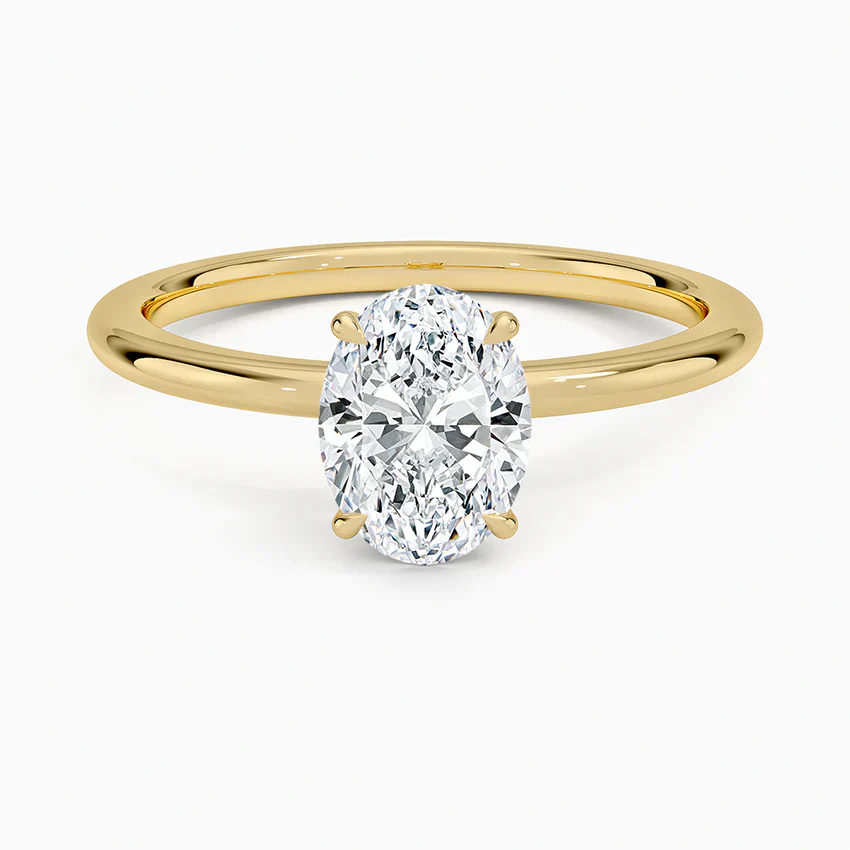
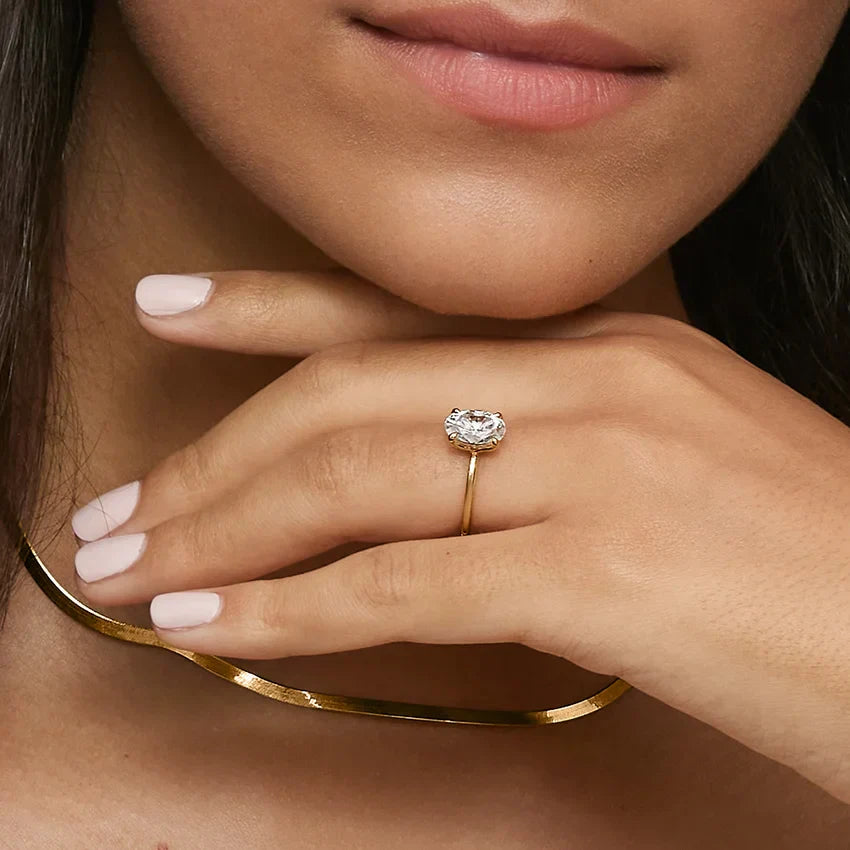
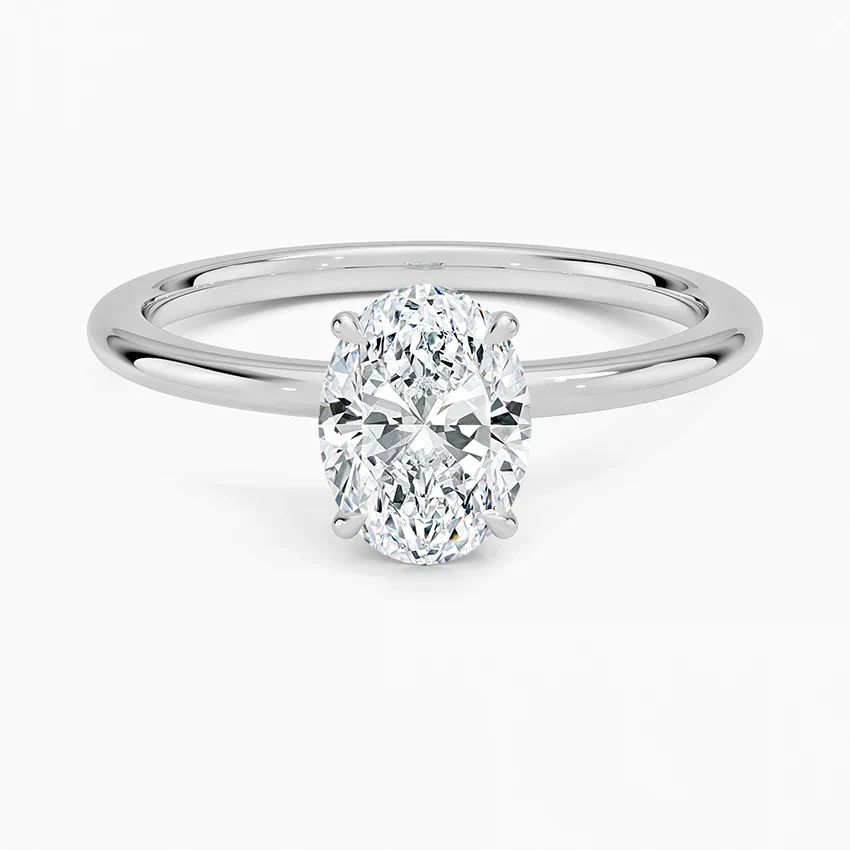
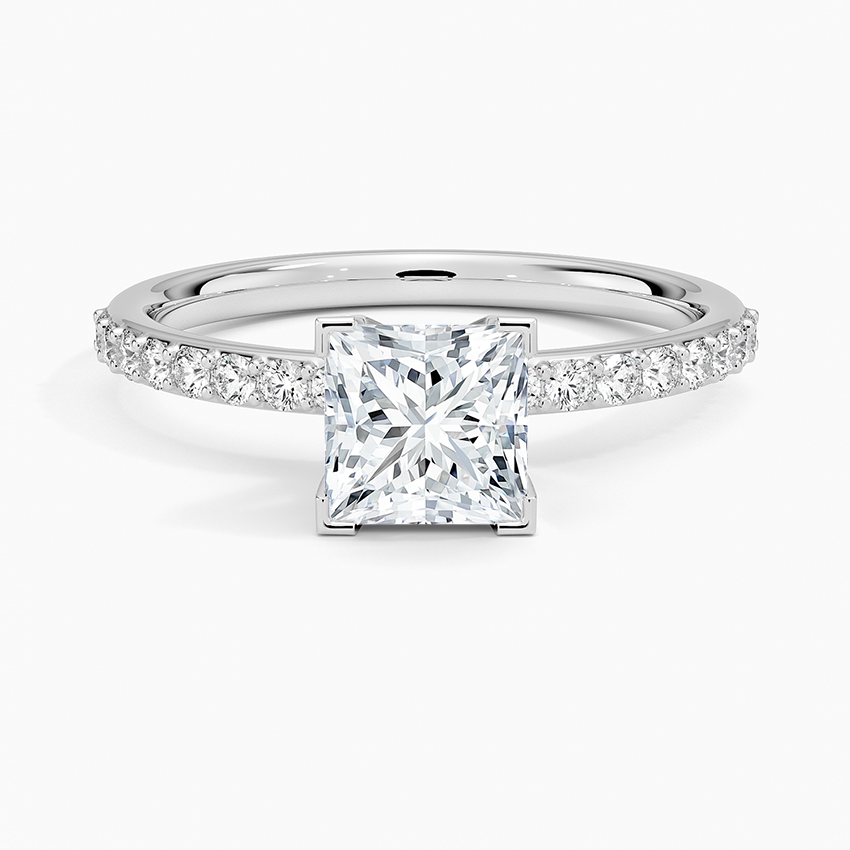
Explore an exclusive selection of yellow gold lab diamond engagement rings at Ratan Sajan Diamonds.
Types of Lab Grown Diamonds
Lab grown diamonds begin as tiny carbon seeds from pre-existing diamonds. Two primary techniques are used to create these diamonds: High Pressure High Temperature (HPHT) and Chemical Vapor Deposition (CVD).
HPHT Lab Grown Diamonds: This method mimics the natural conditions under which diamonds form inside the Earth. A diamond seed is placed in a chamber subjected to extreme heat (over 2,000 degrees Celsius) and pressure (1.5 million pounds per square inch). The carbon atoms in the chamber bond with the seed and crystallize into a diamond.
CVD Lab Grown Diamonds: In this method, a thin piece of diamond seed is placed in a vacuum chamber filled with a carbon-rich gas mixture (typically methane and hydrogen). The gases are heated to break down the molecules, and the carbon atoms settle on the seed, building layer by layer until the diamond reaches its desired size. Some CVD diamonds undergo additional heat and pressure treatments after growth.
Both techniques simulate the natural diamond formation process, resulting in high-quality diamonds that are identical to mined diamonds. After the growth stage, a rough diamond is formed, then cut, polished, and set in jewelry. While the growth process and time may differ, the durability and quality are the same.
With the naked eye, it’s impossible to distinguish between natural diamonds, HPHT lab diamonds, and CVD lab diamonds—only experts can identify growth patterns under specialized magnification.
Are Lab Grown Diamonds Real?
Yes, lab grown diamonds are just as real as natural diamonds. There are several misconceptions about lab diamonds:
-
Lab diamonds are "fake" diamonds: This is false. Lab diamonds are chemically, physically, and optically identical to natural diamonds.
-
Lab diamonds look different from natural diamonds: This is not true. Even experts can’t distinguish lab grown diamonds from natural ones without specialized equipment.
-
Lab diamonds aren’t as durable: This is also untrue. Lab grown diamonds have the same hardness (10 on the Mohs scale) as natural diamonds.
-
Lab diamonds are flawless: This is misleading. Like natural diamonds, lab diamonds may contain inclusions.
The only difference between lab grown and natural diamonds is their origin. Lab diamonds are created in a lab, while natural diamonds form deep within the Earth. Other than that, lab grown diamonds are 100% real.
Can You Tell the Difference Between Lab Grown and Natural Diamonds?
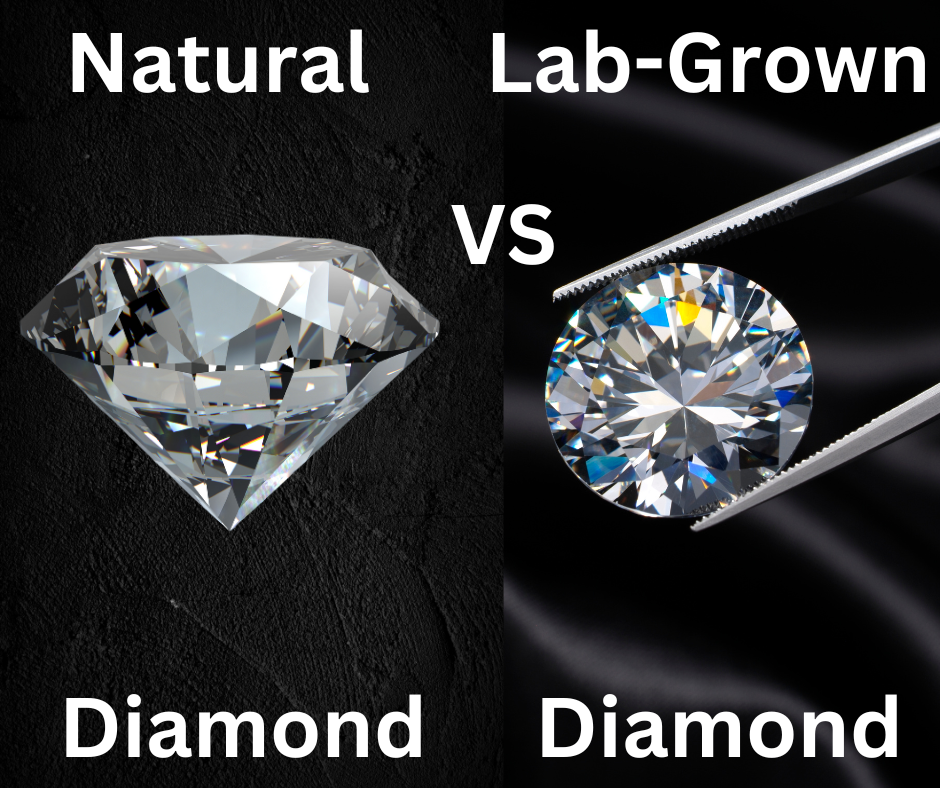
To the naked eye, lab grown and natural diamonds are indistinguishable. Only gemologists can detect subtle differences using high magnification equipment:
-
Internal Growth Patterns: Lab grown diamonds may show growth patterns that differ slightly from the octahedral growth of natural diamonds.
-
Inclusions: While natural diamonds may contain inclusions from minerals, lab diamonds may show metallic inclusions or other markers related to the HPHT or CVD growth process.
-
Laser Inscription: Most lab grown diamonds are inscribed on the girdle with a microscopic mark indicating their lab origin.
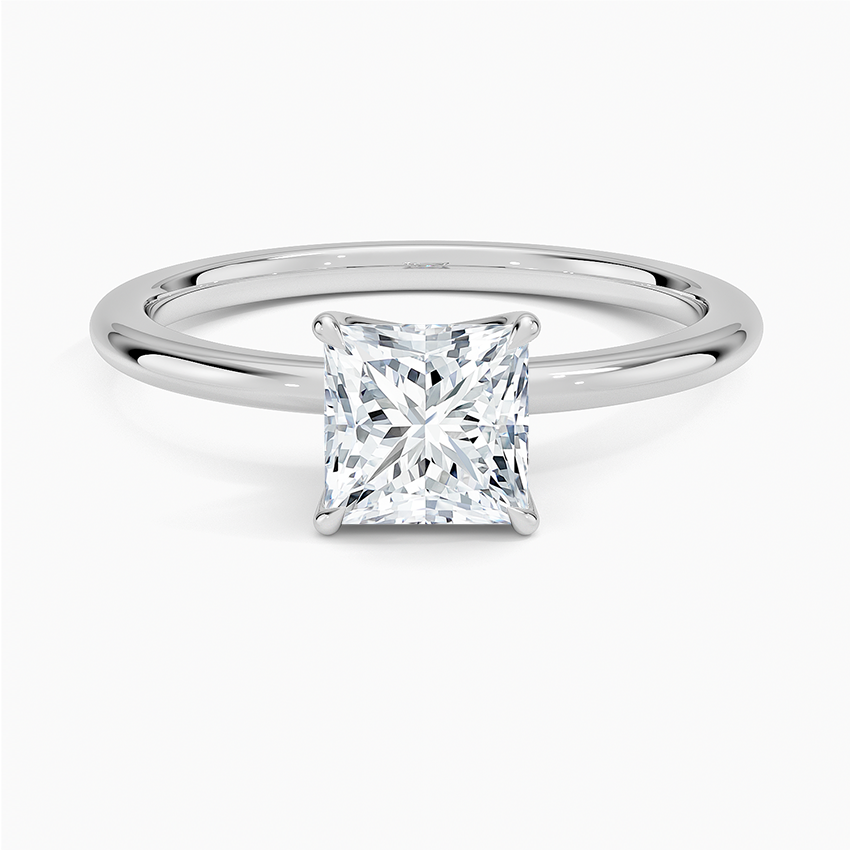
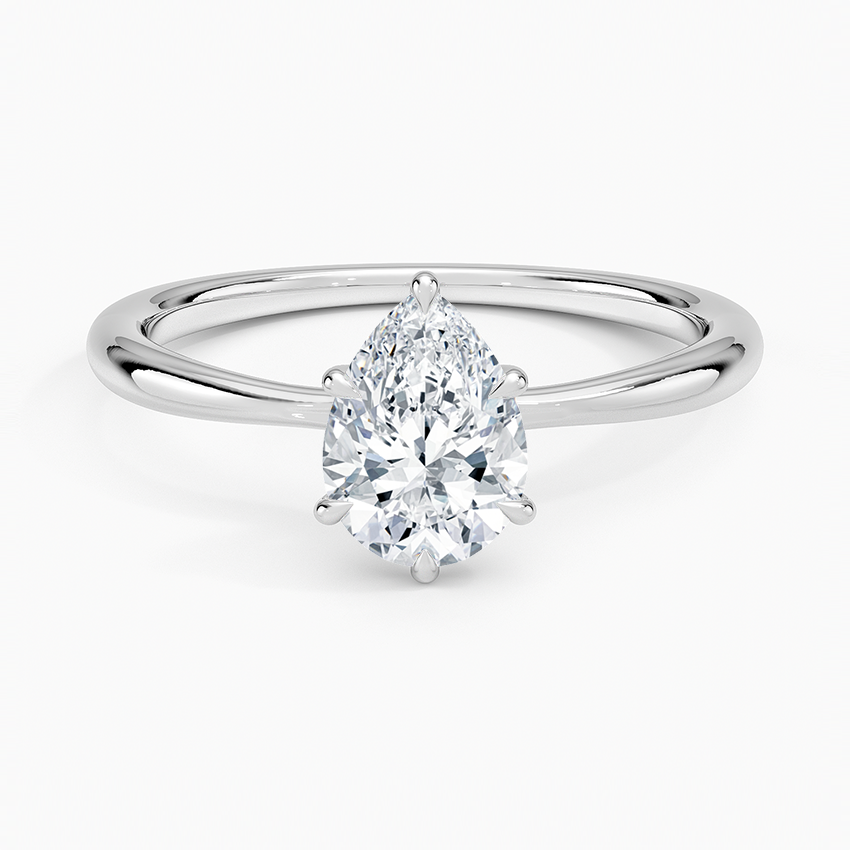
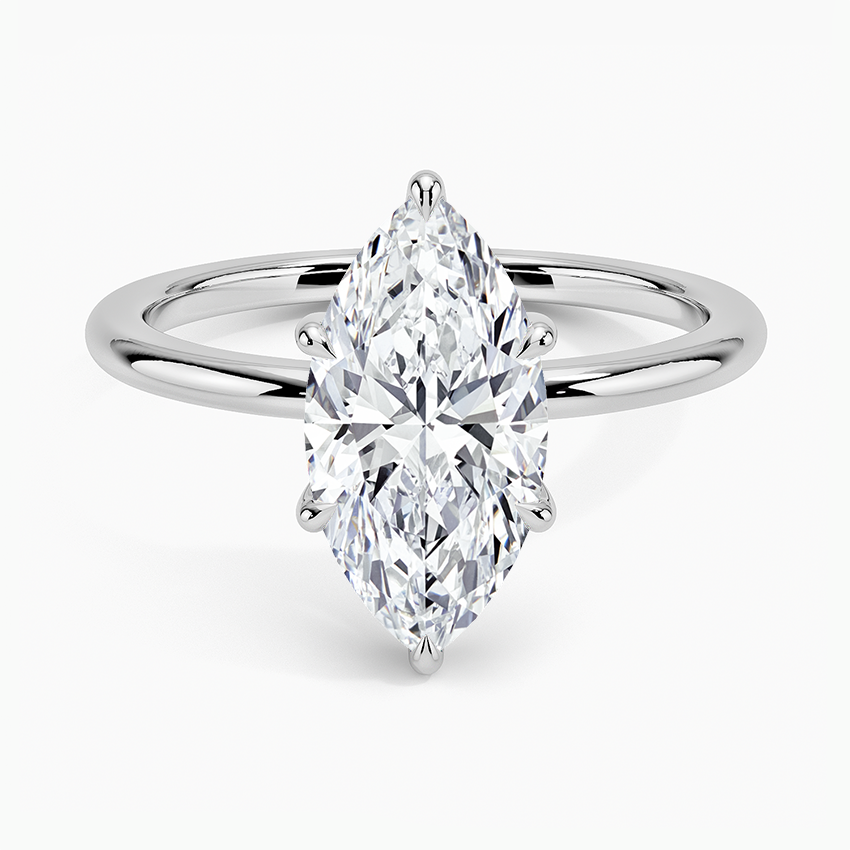
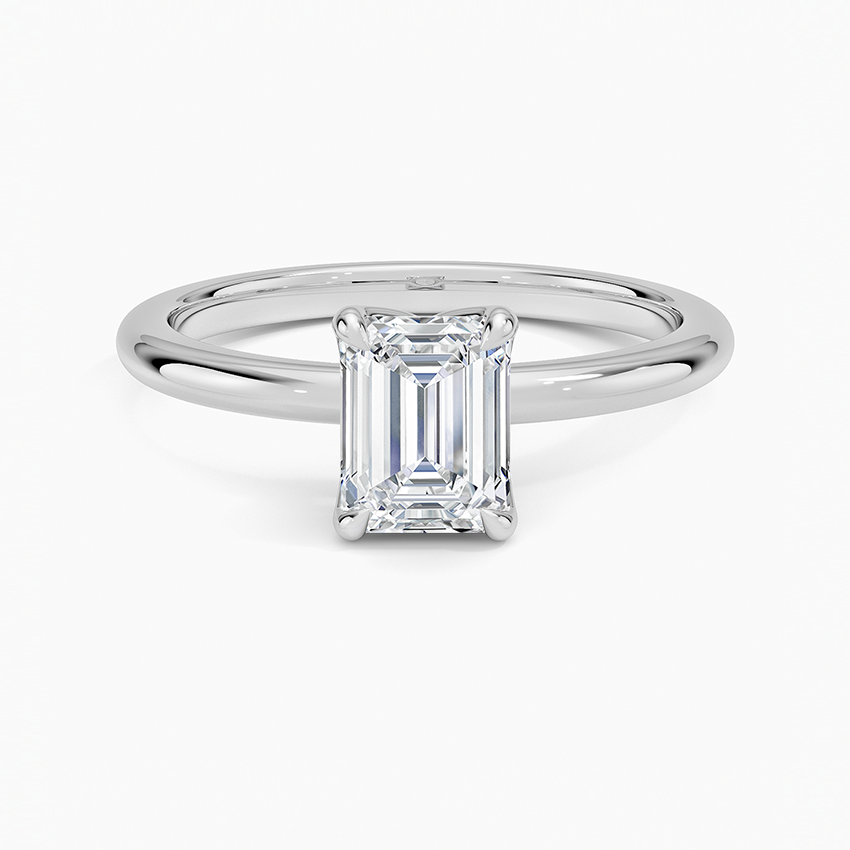
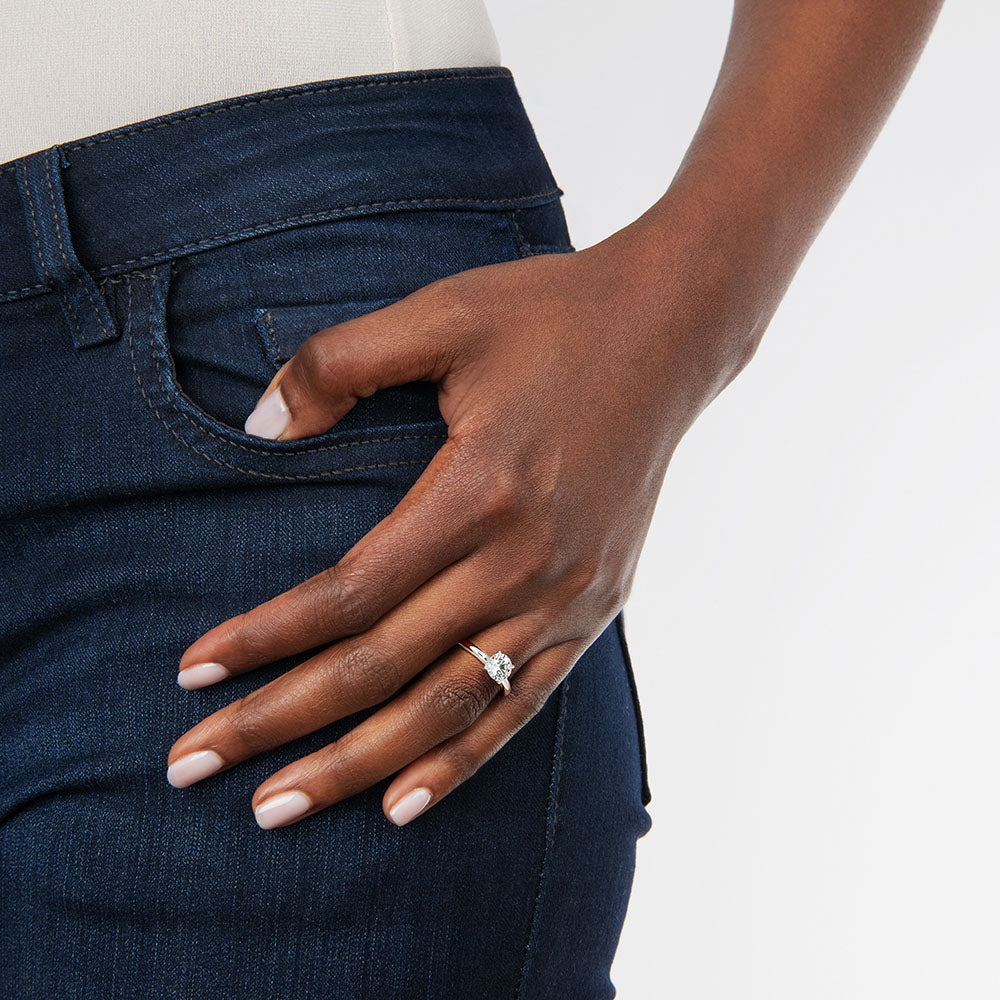
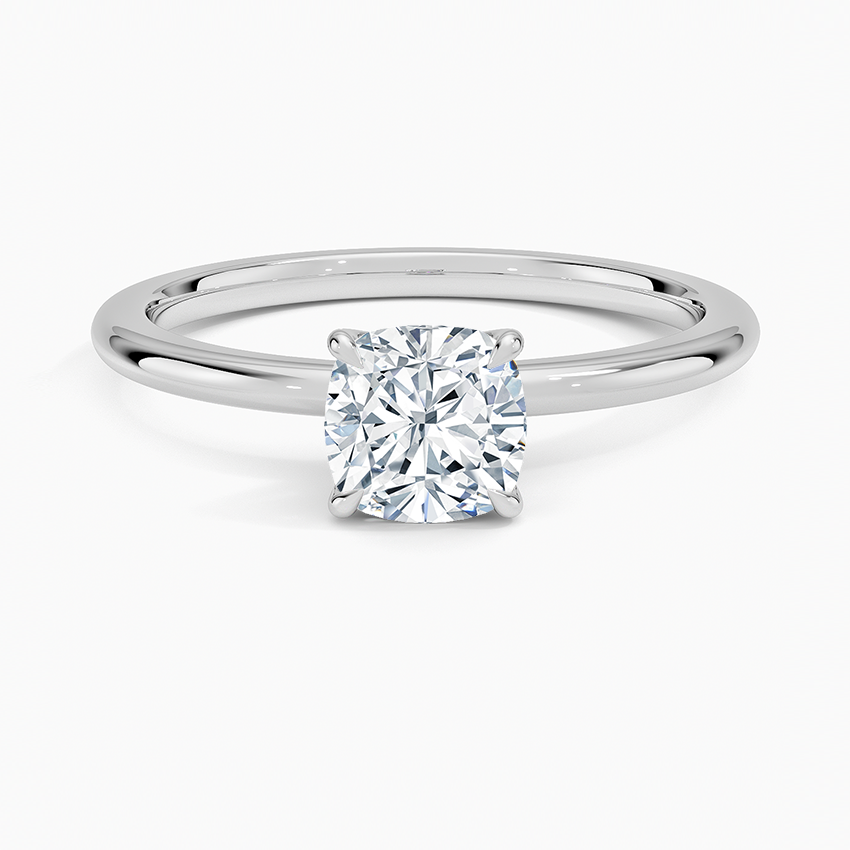
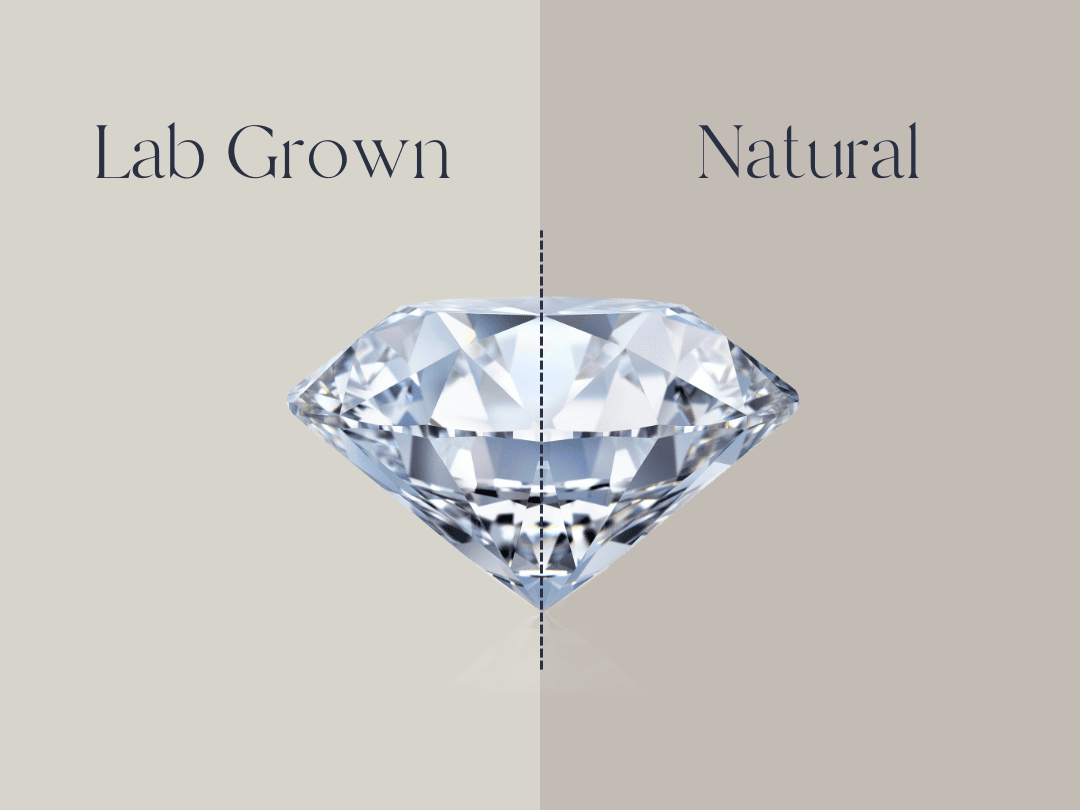
Test your ability to tell the difference with these six side-by-side diamond images. Most people find it nearly impossible to distinguish between lab grown and natural diamonds with just their eyes. This similarity is one of the reasons why lab grown diamonds are so popular.
Benefits of Lab Grown Diamonds
Lab grown diamonds offer several advantages for those looking to buy diamonds in Dubai or anywhere else:
-
Support for Sustainable Practices: Lab diamonds are a responsible choice as they are produced without mining. Their production typically has a smaller carbon footprint and causes less environmental disruption, making them an eco-friendly option.
-
Identical to Natural Diamonds: Lab grown diamonds are chemically, physically, and optically identical to mined diamonds.
-
Available in Various Colors: Lab diamonds can be created in vibrant hues like pink, yellow, and blue, offering more affordable options compared to natural diamonds. These colors give buyers more creative freedom to select a diamond that fits their personal style.
-
Value: Lab grown diamonds are generally more affordable than natural diamonds of the same size and quality. This means you can buy a larger or higher-quality diamond within your budget, making it an attractive option for luxury at a lower price.
Lab Grown Diamond Certification
Just like natural diamonds, lab grown diamonds undergo grading and certification from reputable gemological labs such as the Gemological Institute of America (GIA) and the International Gemological Institute (IGI). The certification process ensures authenticity and grades the diamond’s quality. Certified lab diamonds have been evaluated by these renowned gemological laboratories, which use specialized equipment to assess the diamond's cut, color, clarity, carat weight, and other characteristics.
Which Are Better: Lab Grown or Natural Diamonds?
Neither lab grown nor natural diamonds are inherently better; the choice ultimately depends on your personal values:
-
Lab Grown Diamonds: If you prioritize affordability and want a larger stone within your budget, lab grown diamonds may be the best choice. They offer a sustainable option without sacrificing quality or appearance.
-
Natural Diamonds: If you value tradition or the romantic notion of a diamond formed over billions of years and rarity, natural diamonds might be more appealing.
Whether you choose a lab grown diamond or a natural diamond, both options provide a beautiful, timeless gem that is brilliant and unique.